What Is Somatic Therapy? How Healing Your Body Can Help Calm Your Mind

Have you ever been told, "Just stop worrying," only to find that your body didn't get the message? 🙋

Your mind may know you're safe, but your racing heart, tight chest, upset stomach, or tense shoulders tell a different story.
That's because anxiety doesn't just live in your thoughts—it lives in your body, too. When I was first learning about our nervous system years ago, I seriously never knew that.
And this was where somatic therapy came into play.
SO What Is Somatic Therapy?
The word somatic simply means "relating to the body." Somatic therapy is an approach that recognizes the powerful connection between your mind, body, and nervous system. Instead of focusing only on changing your thoughts, it also helps you notice and respond to the physical sensations that accompany stress and anxiety that you have recently endured or that you have endured for several years.
When we experience chronic stress, trauma, or anxiety, our nervous system can become stuck in survival mode (Dorsal Vagal). Your body may continue reacting as though you're in danger—even when you're safe.
Somatic therapy helps teach your nervous system that it is okay to slow down, settle, and feel safe again.
Why Does This Type of Therapy Work?
Think of your nervous system as your body's alarm system.
When it's balanced, you can think clearly, sleep well, digest food, and respond to life's challenges with flexibility.
When it's overwhelmed, you may experience:
- Racing thoughts
- Muscle tension
- Headaches
- Poor sleep
- Upset stomach
- Difficulty concentrating
- Feeling "on edge"
- Emotional exhaustion
Rather than trying to "think" your way out of anxiety, somatic techniques help regulate & heal your body's stress response first. Once your body feels calmer, your mind often follows.
Three Simple Somatic Exercises You Can Start Today
1. The Physiological Sigh (my favorite one anytime, or when feeling overwhelmed)
Feeling overwhelmed?
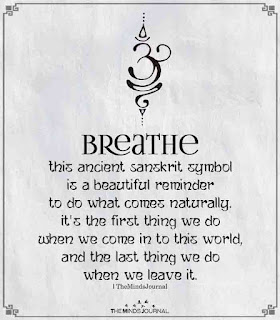
Take two quick inhales through your nose, followed by one long, slow exhale through your mouth.
Repeat 3–5 times.
This simple breathing pattern has been shown to quickly reduce stress by helping your nervous system shift toward a calmer state.
Try it: Before opening your email, joining a meeting, or when you notice your thoughts starting to spiral.
2. Butterfly Hug
Cross your arms over your chest and gently tap your shoulders, alternating left and right.
As you tap, take slow breaths and notice the support of your hands.
This bilateral movement can help reduce stress, increase feelings of safety, and bring you back to the present moment.
Try it: While waiting in your car, before bed, or anytime you're feeling emotionally overwhelmed.
Resource: https://traumaresearchuk.org/the-butterfly-hug-technique/
3. Orienting to Safety
Pause and slowly look around the room.
Notice five things you can see that feel pleasant or neutral—a window, a favorite picture, a cozy blanket, or a plant.
Allow your eyes to rest on each one for a few seconds.
This simple exercise reminds your nervous system that your environment is safe, helping shift you out of fight-or-flight mode.
Try it: Before starting work, after a stressful conversation, or whenever you feel your body becoming tense.
Regulate & Rise: My Personal Approach
Resource: https://www.michellepettengilllcsw.com/
Healing doesn't happen by forcing yourself to "calm down."
It happens by listening to what your body has been trying to tell you all along.
Small, consistent moments of regulation help create lasting change over time. Think of it like needing to eat everyday - you need to "fuel" your system.
The next time anxiety shows up, ask yourself:
"What does my body need right now?"
You might be surprised by the answer.
If you're feeling stuck in anxiety, overthinking, or chronic stress, you don't have to figure it out alone. Together, we can create a personalized plan that helps quiet the mental chatter, regulate your nervous system, and help you feel more present, energized, and connected to your life.
Let's Regulate & Rise. 💛


Comments
Post a Comment